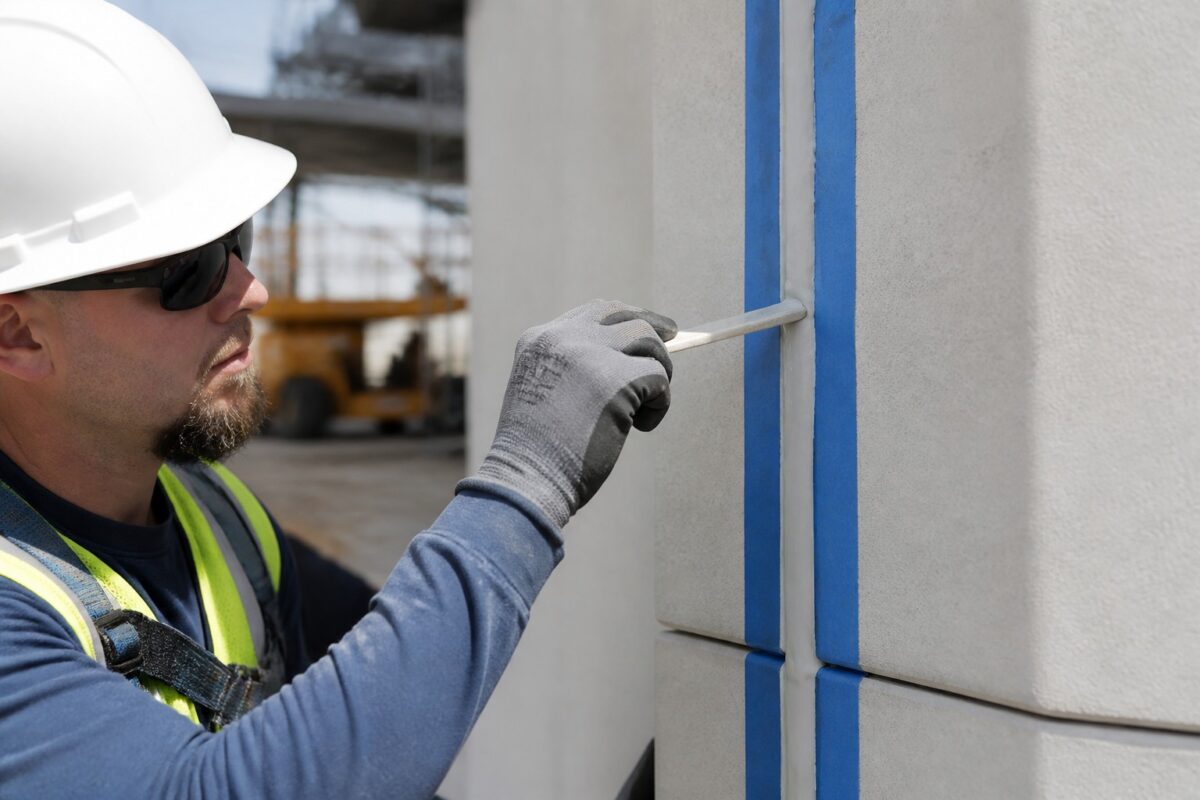
Sealant curing time complaints are usually expectation gaps plus job-site conditions. Diagnose slow cure: temperature, humidity, joint depth, skin-over vs full cure, and cold-climate product choices.
Sealant color mismatch is the most visible facade failure. How distributors and specifiers can avoid it: written dE tolerance, batch color reports, cured samples and substrate testing.
A professional sealant TDS must cover product identity, verified performance numbers, standards, application guidance and batch data. What buyers actually check, line by line.
Adhesion testing methods for structural sealants: tensile testing, peel tests, pull-off tests, substrate compatibility and durability aging — and what buyers should ask for.
Private label sealant is a fast-growing category, but most failed OEM deals die from the same seven sourcing mistakes. Here is what to check before you sign.
A certified sealant factory tour: production line, QC lab, raw materials and packaging — and why factory-direct quality control decides your next shipment.
Temperature is the silent variable in sealant performance. This field guide explains how heat and cold change cure time, adhesion, and final performance — and what to do about it.