


How to Clean Cured Silicone Sealant Joints: A Care Guide for Distributors and Facility Engineers

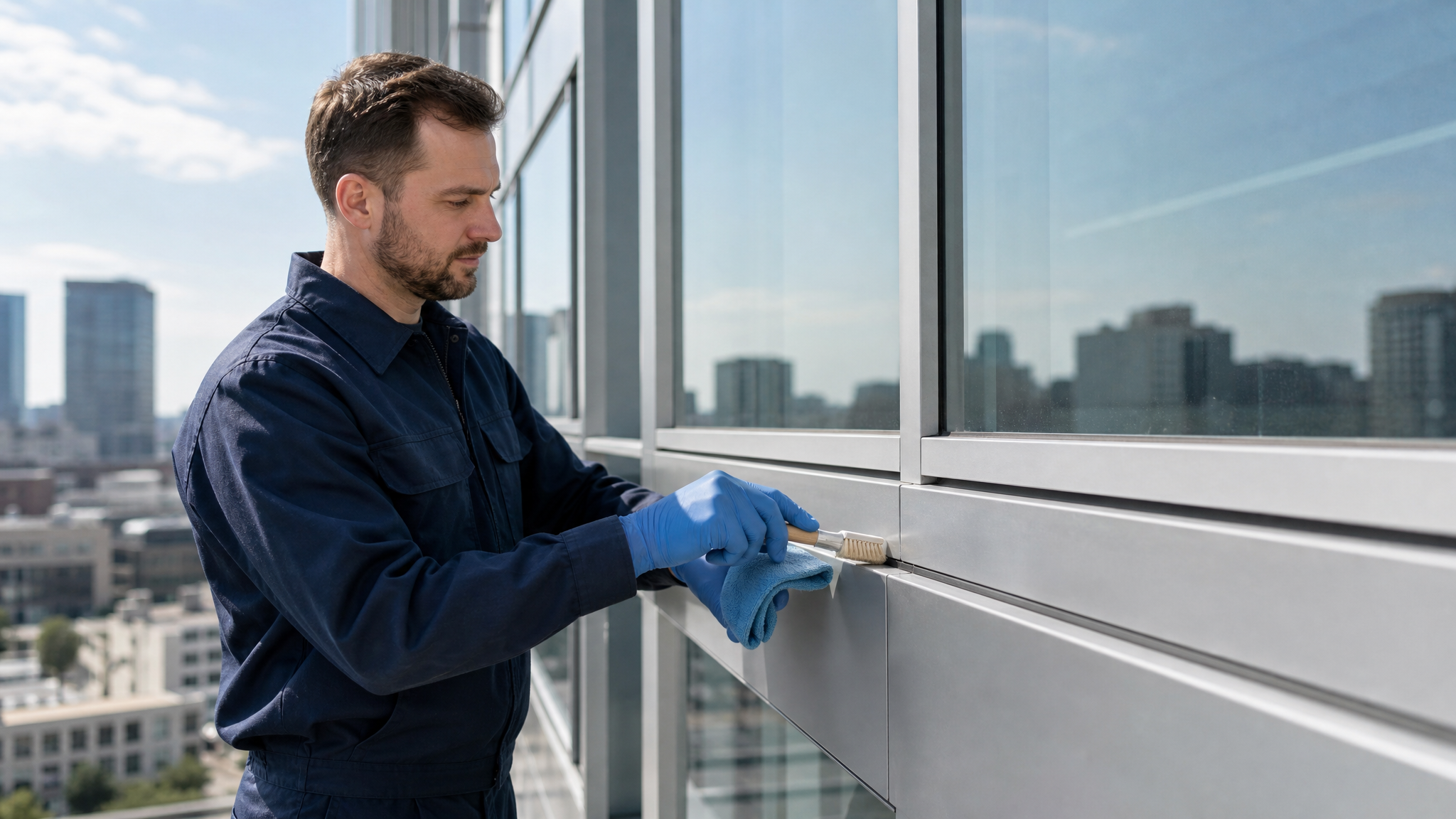
How to clean cured silicone sealant joints is a frequent question from distributors and facility engineers. A properly installed structural or weatherproofing bead can stay serviceable for fifteen years or more, yet exhaust film, dust and biological growth make it look tired long before it fails. The wrong cleaning method, however, will shorten its life far faster than the dirt itself.
Why Cured Joints Need Cleaning Instead of Replacing
Replacing a sound joint means paying twice: access equipment, surface preparation and re-tooling all have to be funded again. As long as the bead remains elastic, fully bonded to both substrates and free of splits, cleaning restores appearance, protects the surrounding substrate and keeps the joint inspectable for the next maintenance cycle. For a distributor, that is a service conversation that builds credibility.
Step-by-Step Cleaning Procedure
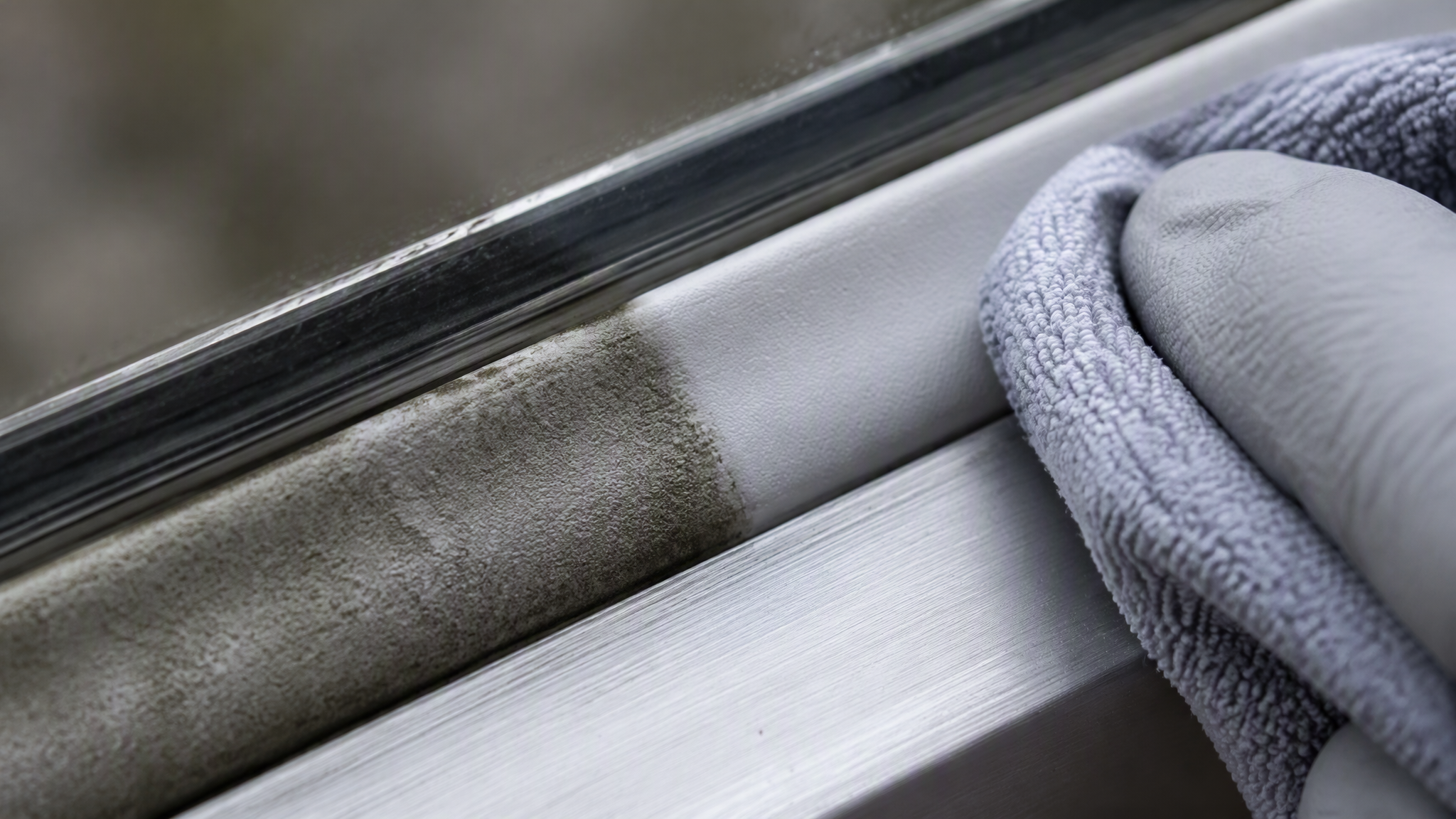
Work in dry weather at substrate temperatures above five degrees Celsius, and never clean a joint that is still soft. Follow this sequence:
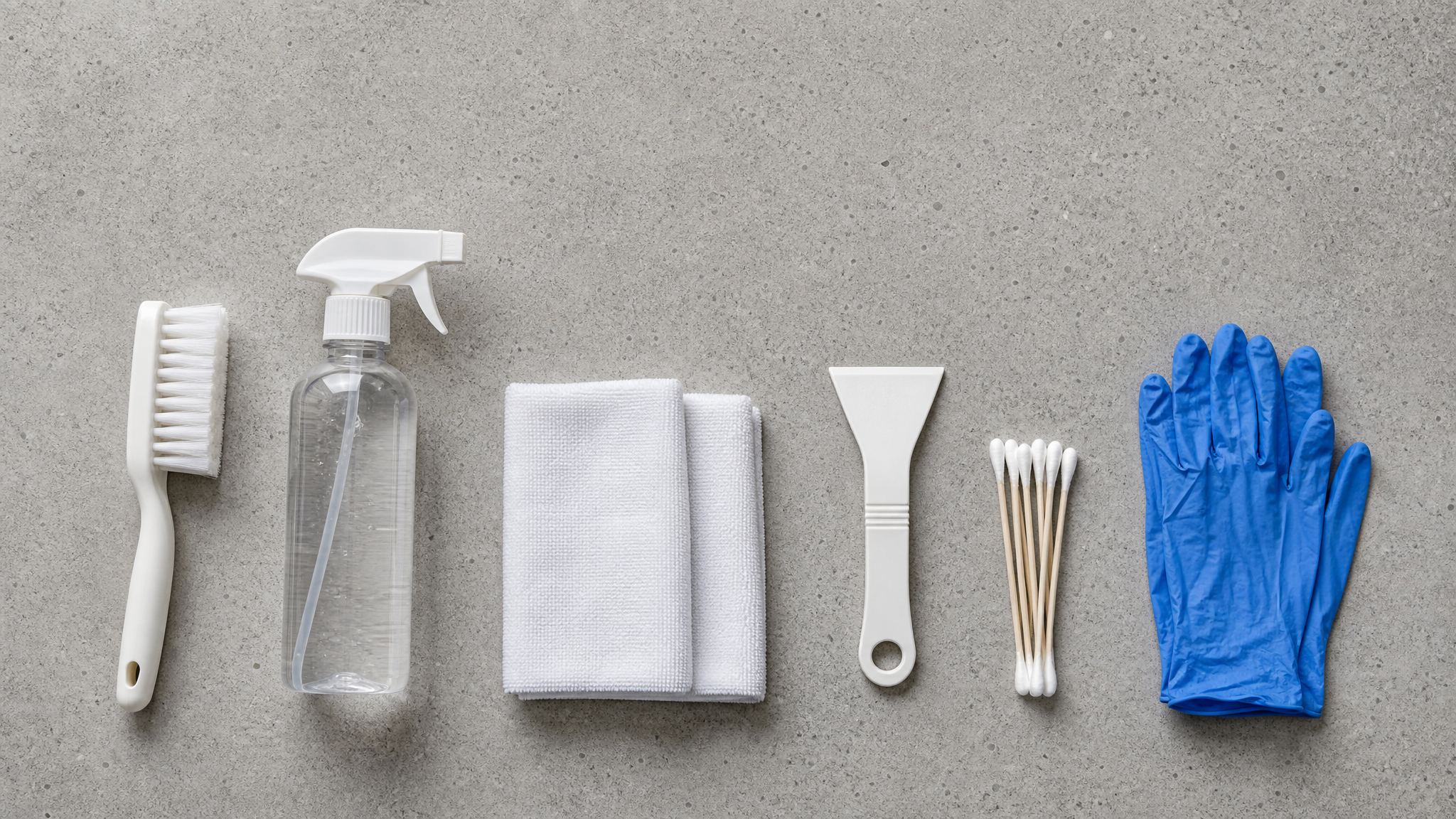
- Remove loose dust with a soft-bristle brush or low-pressure air.
- Wash with a pH-neutral detergent diluted in clean water and a lint-free cloth.
- Rinse with clean water before the film dries, then allow the joint to dry fully.
- For persistent staining, test a mild oxygen-based cleaner on one metre first.
- Never abrade the bead with wire brushes, grinders or sharp scrapers, and never lift the bonded edges.
Cleaners That Do Not Attack the Sealant
Solvent-based degreasers, strong acids and chlorine bleach swell the surface and attack the bond line. For silicone and MS polymer alike, keep to neutral cleaners and confirm the chemical-resistance data before adding any new product to your catalogue. A cleaner that is safe for aluminium may still be aggressive towards an acid-cure sealant.
Maintenance Intervals and Inspection Points
On typical facades, schedule cleaning every twelve months and a documented inspection every twenty-four months. Check adhesion at the frame and glass interfaces, look for surface splits, hardening or reversion, and record any joint where the bead has pulled away.

Where Cleaning Stops and Re-Sealing Begins
If the bead has lost adhesion, shows a split, or has hardened beyond its movement class, cleaning is no longer the answer. Cut out the failed section and re-seal it with a product of the same class and chemistry.
Get in Touch
📧 Email: info@sikenshop.com
📱 WhatsApp: +8613780876997
🌐 Website: sikenshop.com